


Let’s be honest—the way we buy things has fundamentally changed. Gone are the days of simply purchasing a software CD or a one-off service. Today, we subscribe. We sign up. We become members. This shift, often called the subscription economy, isn’t just a sales trend; it’s a complete reimagining of the business-customer relationship.
And for finance teams, it’s a whole new ballgame. Accounting for SaaS, memberships, and recurring revenue models is trickier than it looks. You can’t just book a big chunk of cash as revenue when it hits the bank. It’s more like being a gardener, carefully nurturing and recognizing revenue as it blooms over time. Let’s dive into why this is so different and how to get it right.
Why Subscription Accounting Isn’t Your Grandfather’s Bookkeeping
Traditional accounting is pretty straightforward. Sell a widget, deliver it, recognize the revenue. Done. The subscription model turns this on its head. Here’s the deal: when a customer pays you $120 for an annual plan, you haven’t actually earned that money yet. You’ve received cash, but you owe them a service for the next twelve months.
This creates two critical accounting concepts that are the bedrock of the subscription world:
- Deferred Revenue: This is the cash you collect upfront but haven’t earned. It sits as a liability on your balance sheet—a promise to deliver value in the future. As each month passes, a slice of it moves over to revenue.
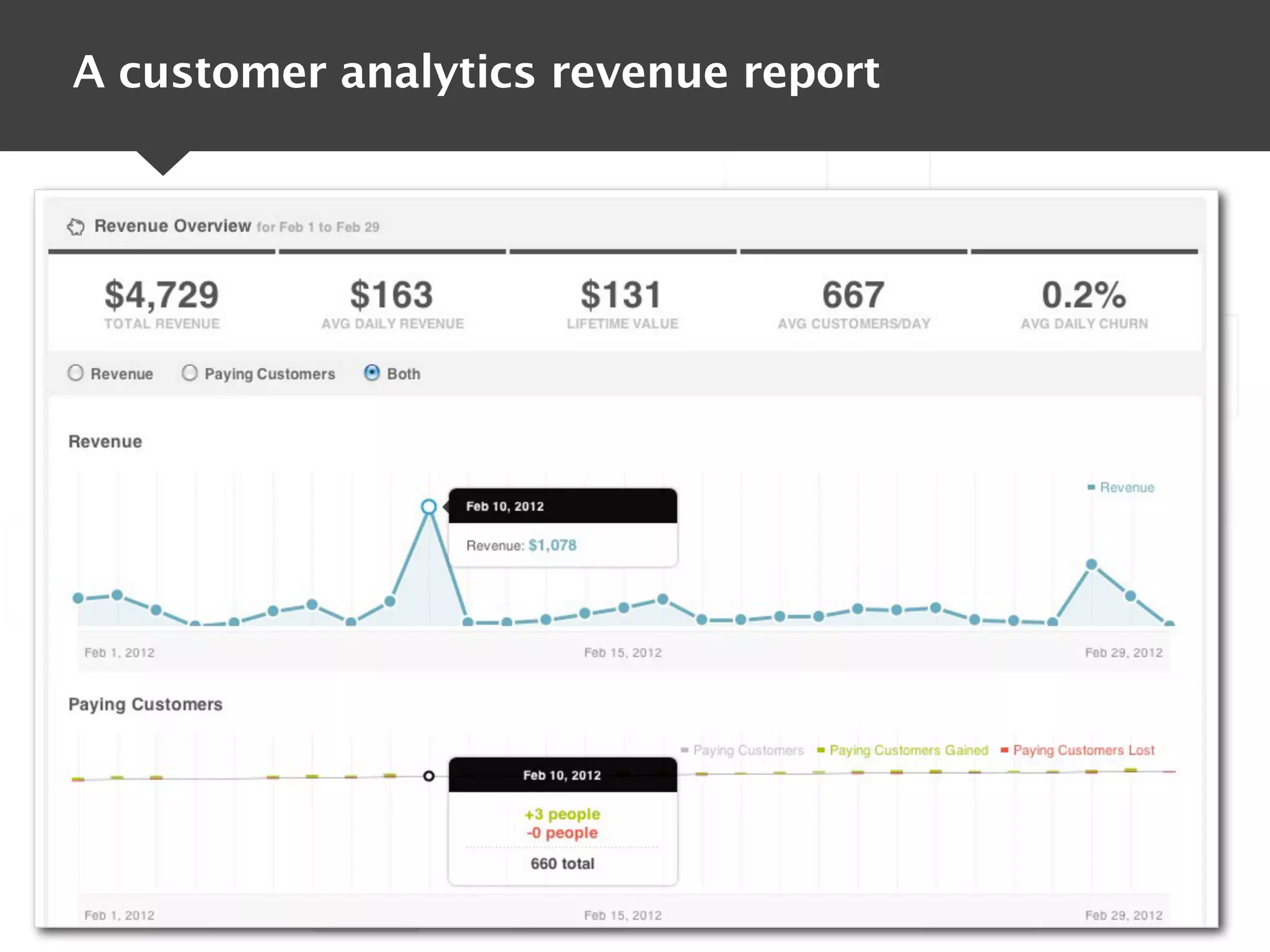
- Recurring Revenue: The lifeblood. This is the predictable, repeating income from your subscribers. Key metrics here are Monthly Recurring Revenue (MRR) and Annual Recurring Revenue (ARR). They’re the north star for health and growth.
Messing up this timing isn’t just an accounting error. It distorts your financial picture, misleads investors, and can lead to some very tough conversations. You know, the kind you’d rather avoid.
The Core Challenges: It’s More Than Just Monthly Charges
Sure, a simple monthly subscription seems easy. But modern models are anything but. Here are the real-world headaches finance teams face.
1. Variable Billing and Usage-Based Models
Many SaaS platforms charge based on usage—think cloud storage or API calls. A customer’s bill fluctuates each month. This makes revenue recognition a moving target. You have to estimate accruals and true-up constantly. It’s like trying to forecast the weather in a particularly unpredictable climate.
2. Contract Modifications: Upgrades, Downgrades, and Mid-Term Changes
A customer upgrades their plan halfway through the billing cycle. How do you account for that? Under ASC 606 and IFRS 15 (the key accounting standards for this), you must re-allocate the contract value and adjust revenue recognition from that point forward. It’s administratively intense, to say the least.
3. Customer Acquisition Costs (CAC) and Capitalization
Sales commissions for landing a multi-year contract are significant. Can you expense them all upfront? Often, no. You might need to capitalize these costs and amortize them over the life of the contract. This matches the expense with the revenue it helped generate—a core accounting principle that gets complex fast.
Key Metrics That Actually Matter
Forget just looking at profit and loss. Subscription businesses live and die by a different set of dashboards. These metrics tell the real story of growth and sustainability.
| Metric | What It Is | Why It’s a Big Deal |
| MRR/ARR | Predictable revenue generated each month/year. | The primary gauge of business scale and health. |
| Churn Rate | The percentage of customers who cancel in a period. | Measures retention. A high churn rate can sink even a fast-growing ship. |
| Customer Lifetime Value (LTV) | Total revenue expected from an average customer. | Indicates long-term profitability and informs how much you can spend to acquire a customer. |
| LTV to CAC Ratio | Lifetime Value divided by Customer Acquisition Cost. | The golden ratio. A ratio of 3:1 or higher is generally considered healthy. |
| Deferred Revenue Balance | Cash collected for services not yet delivered. | A critical liability on the balance sheet and a future revenue stream. |
Honestly, if you’re not tracking these, you’re flying blind. They’re the connective tissue between your sales activity and your financial statements.
Best Practices for Taming the Beast
So how do you build a finance function that can handle this complexity? It’s part process, part technology, and a healthy dose of mindset shift.
- Invest in the Right Tools: Spreadsheets will break. You need a robust billing and subscription management platform that integrates seamlessly with your accounting software (like NetSuite, QuickBooks, or Xero). Automation is non-negotiable.
- Standardize Your Chart of Accounts: Structure your accounts to track revenue by product line, plan type, and recognition schedule. This makes reporting and analysis infinitely easier.
- Embrace Accrual Accounting: This isn’t optional. You must recognize revenue when it’s earned, not when cash is received. It’s the only way to get a true picture of performance.
- Conduct Regular Reconciliation: Your billing system, your bank feed, and your general ledger need to be in constant harmony. Reconcile deferred revenue accounts monthly without fail.
- Educate the Whole Company: Finance can’t own this alone. Sales needs to understand how contract terms impact revenue recognition. Product needs to see how usage spikes affect billing. Create that shared understanding.
The Bigger Picture: Beyond Compliance
Getting subscription accounting right isn’t just about compliance—though that’s vitally important. It’s about insight. When you accurately track your MRR growth and churn, you can forecast with confidence. You can understand which customer segments are truly profitable. You can make strategic decisions about where to invest.
In fact, clean, transparent subscription accounting builds trust. Trust with investors who are evaluating your metrics. Trust with auditors. And ultimately, it gives leadership a rock-solid foundation to build upon. The subscription model offers incredible value: predictable revenue, deeper customer relationships, and a clearer growth trajectory. But that value is only fully realized when your accounting practices mature to match the sophistication of your business model.
It’s a journey, sure. One that requires ditching old habits and embracing new systems. But in an economy that’s increasingly shifting to “as-a-service” for everything from software to socks, mastering this isn’t a niche skill. It’s becoming the very core of modern financial management.